
Partnerships That Advance Performance
We align technical insight with disciplined execution to provide measurable gains across operational, financial, and strategic domains.
Process Optimization
We conduct rigorous evaluations that illuminate inefficiencies and establish a definitive baseline for improvement. Our team applies a systematic series of phases, ensuring each engagement advances logically from initial insight to final evaluation while maintaining full transparency.
Latest from Our Blog
-
New Technology Gives Hope for Energy Resilience
Over the past several months — since the beginning of the war in Iran — I have been writing about the dangers of energy insecurity that arise from over-reliance on one source of energy, in this case oil. As of mid-September, the situation has only worsened; a recent Wall Street Journal article reported that “U.S. crude prices have jumped 19% in the past three weeks to trade near $101 a barrel as attacks in the Middle East multiply,” and that American oil executives are now saying that the fuel crisis has arrived.
-
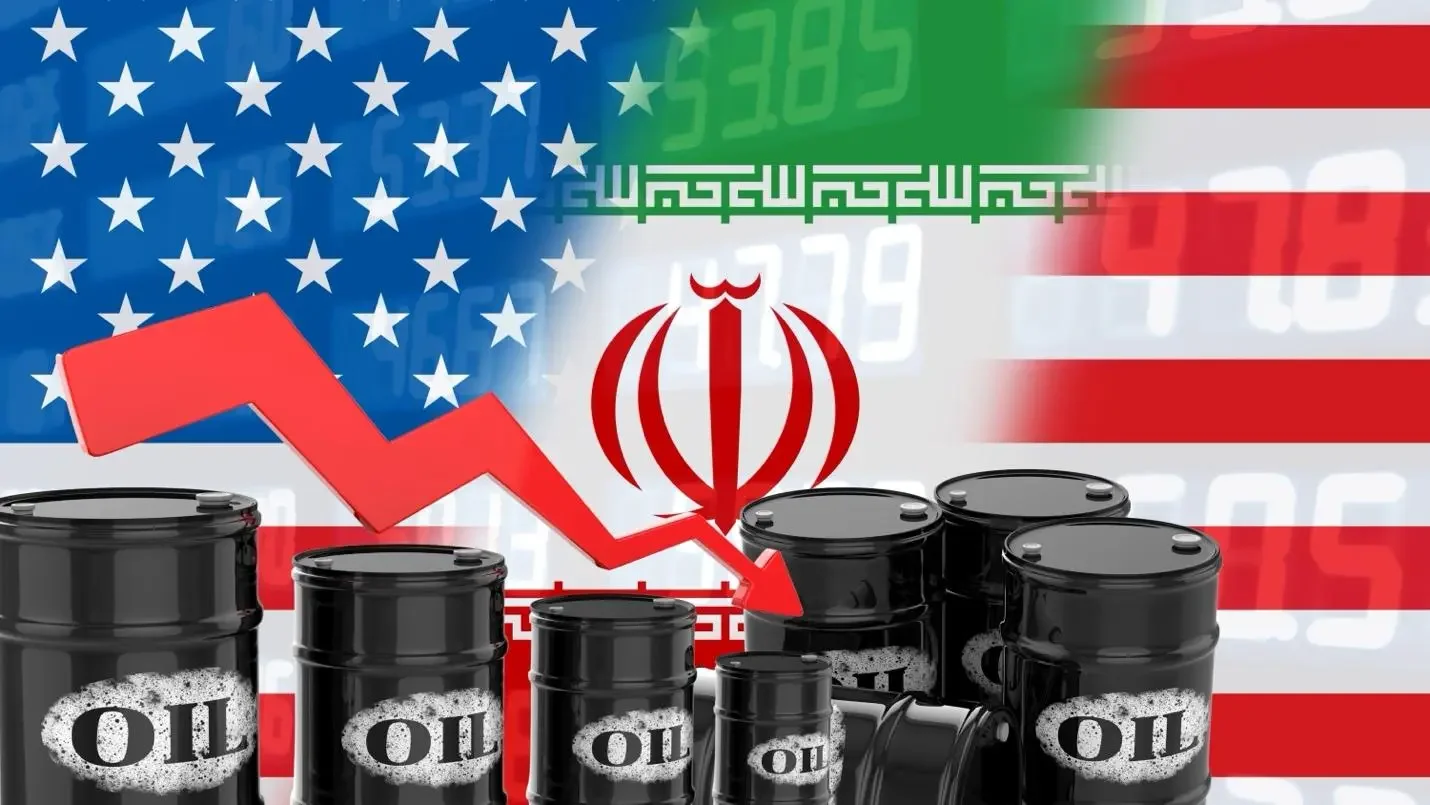
Dwindling Oil Reserves Are a Sign of Energy Insecurity
A June article in The Wall Street Journal about the war in Iran opened with a very interesting line: “Iran’s closure of the Strait of Hormuz showed how a country can weaponize an economic pinch point to seismic effect.” As I read through the article, I realized that almost anywhere in the article the word “economy” or “economic” was used, I could swap in the word “energy”: “Iran’s closure of the Strait of Hormuz showed how a country can weaponize an energy pinch point to seismic effect.”
-

Offshore Wind: A Stark Contrast
In a recent article, I wrote about China’s emergence as a leader in energy independence, thanks to the country’s focus on and investment in renewable energy. According to the Global Wind Energy Council, “China added 6.6 gigawatts of new offshore wind capacity in 2025,” and the country’s “total offshore wind capacity stood at 48.4 gigawatts by the end of 2025.”